- Lucie TESTARD
- - June 4, 2026

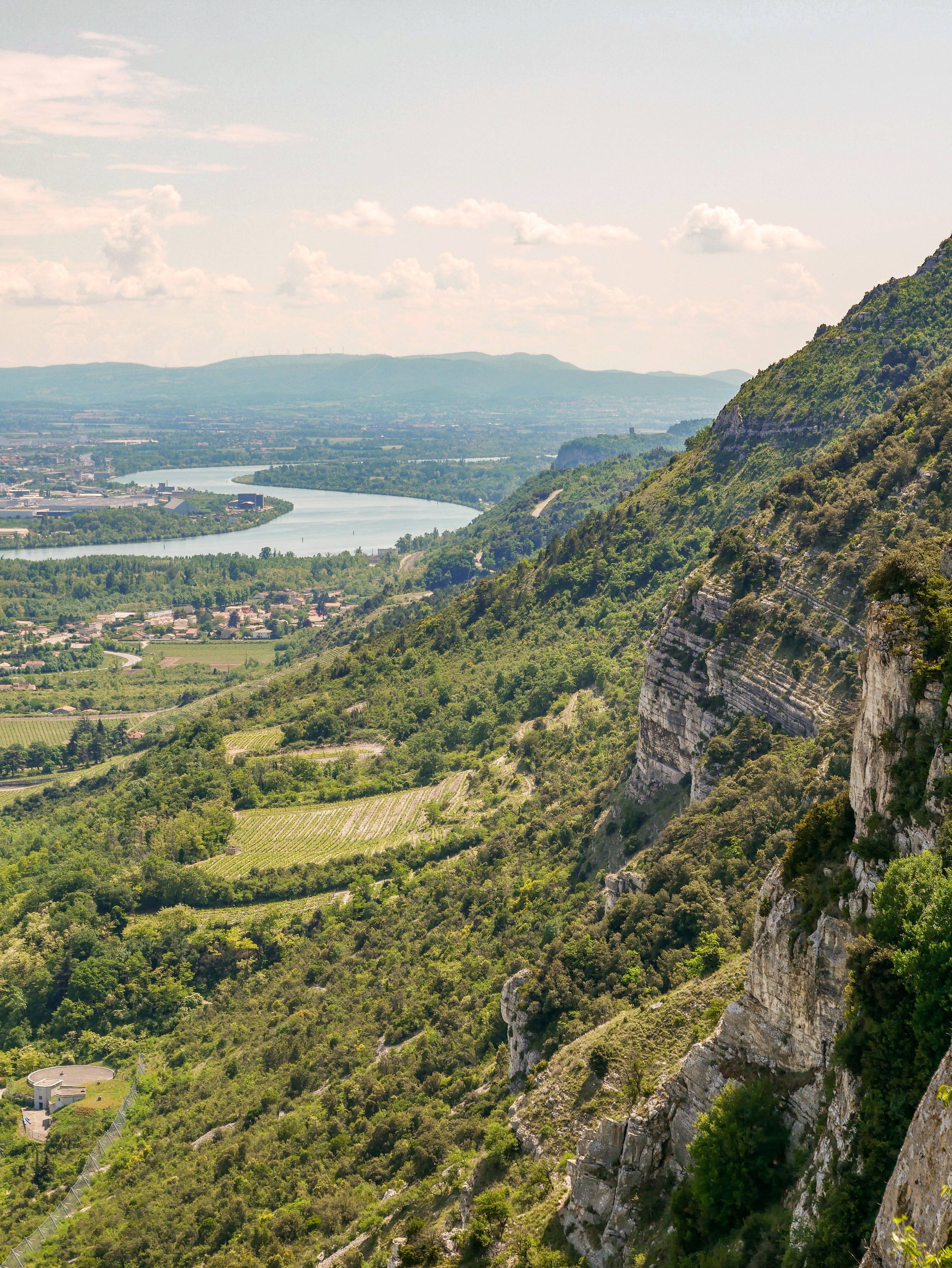
On 5 June, World Environment Day, let’s take a moment to consider three natural massifs that overlook the right bank of the Rhône. Designated as Sensitive Natural Areas (ENS) by the Ardèche Department and included in the European Natura 2000 network, these sites enjoy recognised protection due to their exceptional ecological richness. Behind their rocks and ruins lies a surprisingly rich natural world: dozens of orchids, majestic birds of prey, protected insects, insatiable bats… Crussol, Soyons and Châteaubourg together form one of the most important natural corridors in the southern part of the region. They are managed by the Rhône Crussol Community of Communes, which ensures they are protected whilst remaining accessible to all.
1. The Crussol Massif
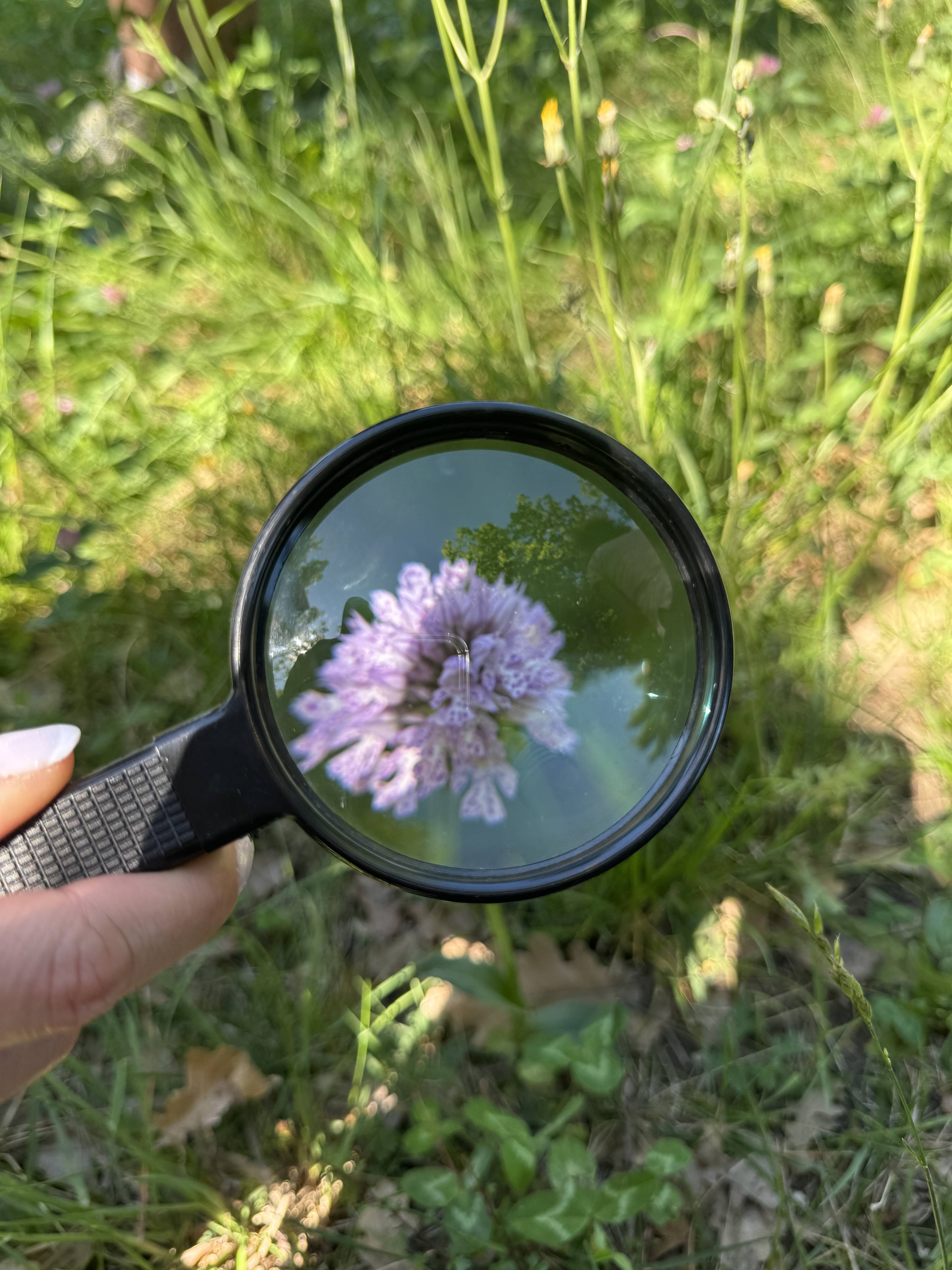
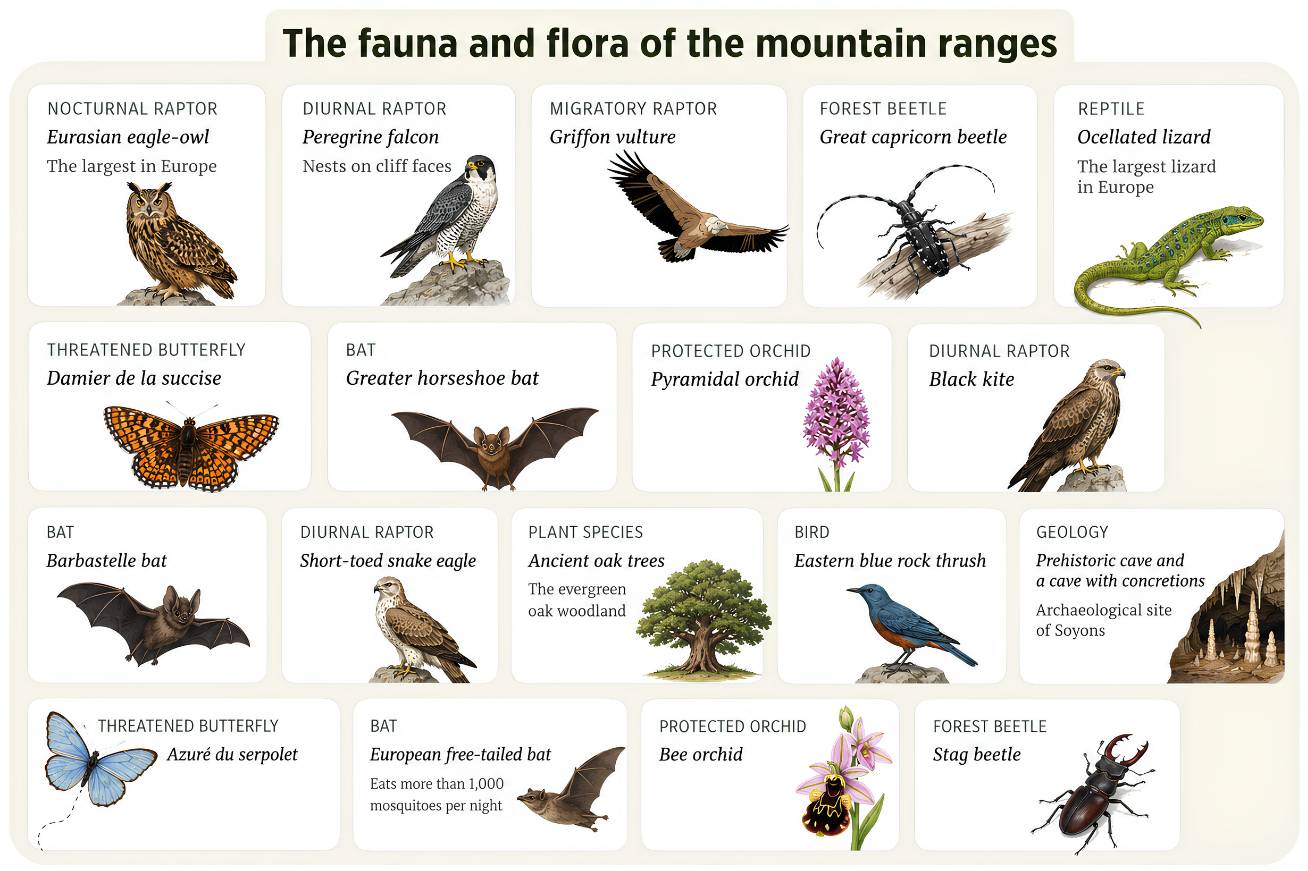
Crussol Castle is renowned for its breathtaking views over the Rhône Valley and Valence. But this limestone rock, rising to an altitude of over 200 metres, conceals many other treasures. Its unique soil, which retains heat, has given rise to vast dry grasslands where no fewer than 40 different species of orchid flourish. These include the early purple orchid, the bee orchid and the pyramidal orchid… And some of these orchids are unique to Crussol; they are found nowhere else.
It is because of this exceptional biodiversity that the site is designated both as a Natura 2000 site, a European network that protects natural habitats whilst allowing for human activities and as an Ardèche Sensitive Natural Area. The aim is not to prohibit visits, quite the contrary : it is to ensure that everyone can enjoy the site without damaging it. Eco-guards are on site from July to September to answer questions and help visitors discover these treasures.
Did you know ?
Orchids have a secret: their flowers mimic the shape of a female insect to attract males and ensure pollination. The insect, deceived by the resemblance, ‘mates’ with the flower and flies off, carrying pollen to another orchid. A trick of nature that is as ingenious as it is effective, which explains why these plants are so special and so precious. In the flowerbeds, orchids mainly bloom from April to June !
2. The Soyons Massif
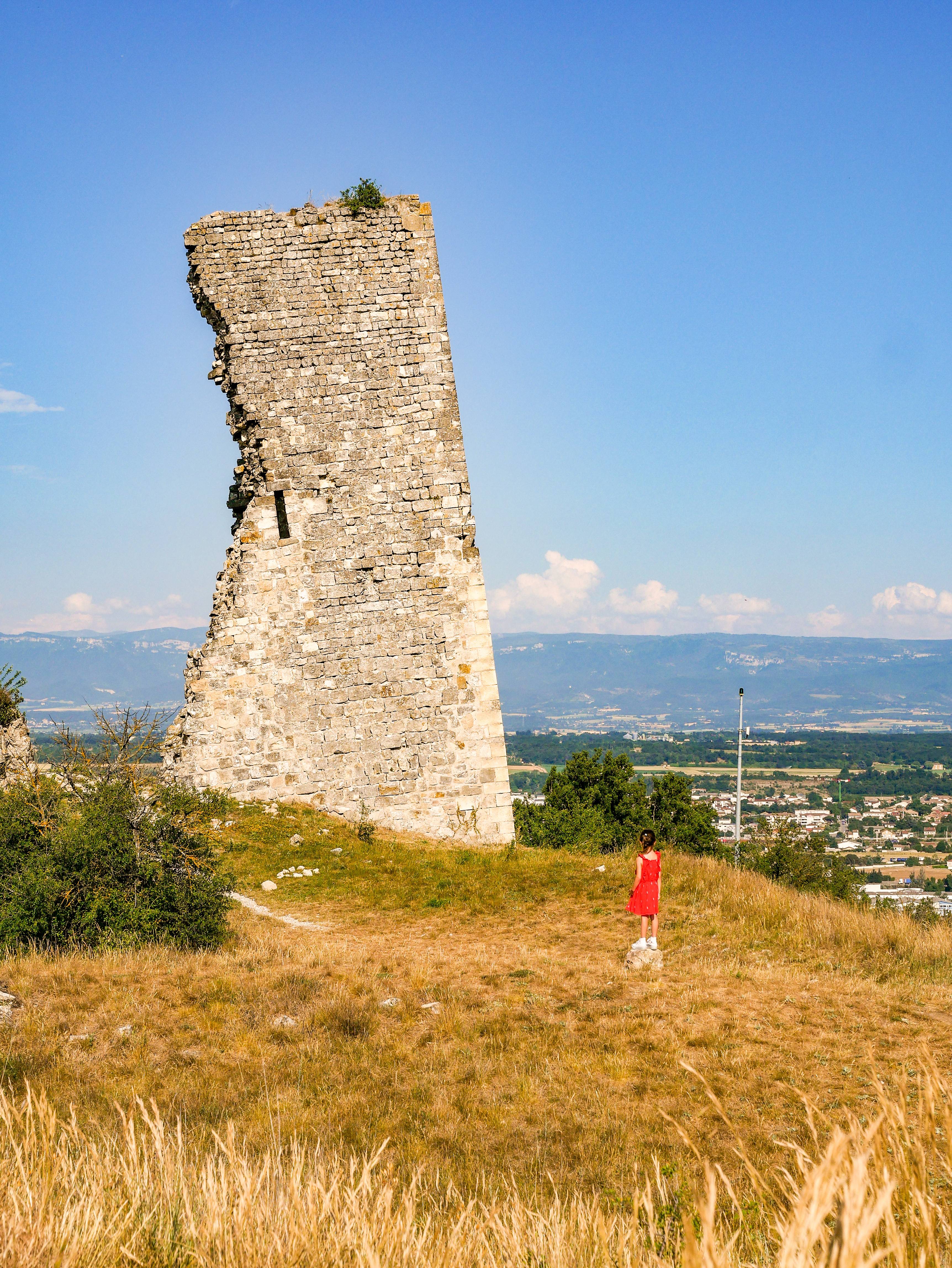
A few kilometres to the south, the Soyons massif is notable for its Leaning Tower, a medieval ruin that has tilted over time, and its caves carved into the limestone rock. These caves provide vital refuge for many species of bat, and the Crussol-Soyons-Châteaubourg massifs are the only ones in the entire Rhône Valley region to be home to them.
Soyons has earned its nickname as the “mountain of orchids” : like the Crussol massif, it is home to over 40 species, some of which are protected at national level. The large limestone cliffs are also unique in the area. They serve as a launch pad for migrating birds of prey : griffon vultures and black kites, which take advantage of the warm air currents to gain altitude.
The holm oak forest that has covered much of the massif since the 20th century is also a little-known treasure. It is the northernmost Mediterranean holm oak forest in the Rhône Valley, proof that the southern climate begins to make itself felt right here. Its old trees and deadwood provide a home for rare and protected insects.
Did you know ?
The archaeological site at Soyons conceals a veritable secret world shaped by water over thousands of years. The "Trou du Renard" cave (a flowstone cave) reveals an almost surreal setting, with its stalactites, stalagmites and drapery of limestone sculpted drop by drop by seeping water.
A little further on, the Grotte de Néron, a listed historic monument, takes visitors on a journey into the heart of prehistory. Here, you can discover the life of Neanderthals, their techniques for making fire, the crafting of their flint tools, and also the presence of ancient carnivores that inhabited these caves long before us.
3. The Châteaubourg Massif
Although less well known than its two neighbours, the Châteaubourg massif is no less valuable. Its limestone fortress overlooks the village of the same name and offers a beautiful view of the Rhône. Also part of the Natura 2000 network, it completes the Ardèche trio and plays a vital role in the natural continuity between the three massifs.
It is indeed together that Crussol, Soyons and Châteaubourg make the difference. They form the northernmost limestone massifs of the Rhône Valley, on the border between the Ardèche and the Drôme, where Mediterranean species reach their northern limit. Orchids, butterflies, reptiles, birds… All these southern species find their last refuge here, a final territory in which to establish themselves before the climate changes too much. These massifs are thus a veritable corridor of life for Mediterranean biodiversity.
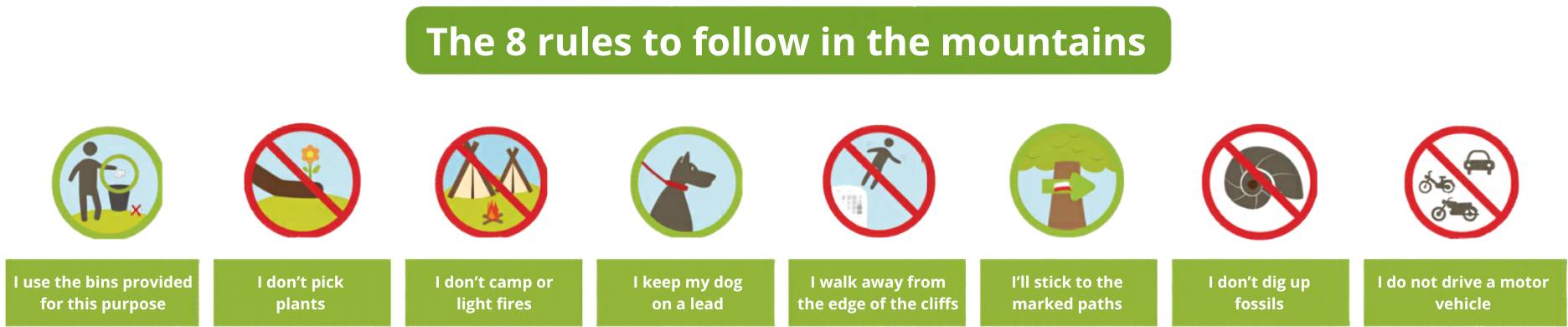
Together, the three sites welcome nearly 110,000 visitors each year. Such high visitor numbers call for even greater vigilance: picking a rare flower, straying off the paths, a careless fire – every small action counts in preserving this fragile balance.
Did you know ?
The cliffs of the Châteaubourg massif are home to an impressive yet very elusive bird of prey : the Eurasian eagle-owl, one of the largest nocturnal owls in the world. It can nest directly in the rock faces and return to the same site for years on end. Its deep call, sometimes heard at dusk, can carry for several kilometres down the Rhône valley. A formidable hunter, it can capture prey much larger than most other nocturnal birds of prey. Yet, despite its power, it remains extremely difficult to spot…
Preserving today to pass on tomorrow
Through their designation as ENS and Natura 2000 sites, the Crussol, Soyons and Châteaubourg mountain ranges have been recognised for their ecological importance at both regional and European level. These natural areas are veritable reservoirs of biodiversity, home to orchids, butterflies, rock-dwelling birds, bats and numerous Mediterranean species.
On this World Environment Day, these sites serve as a reminder that protecting nature is everyone’s responsibility. Preserving these remarkable landscapes, respecting their fragility and encouraging responsible exploration will enable us to pass on an exceptional natural heritage in the heart of the Rhône Valley to future generations.