- Lucie TESTARD
- - July 1, 2026
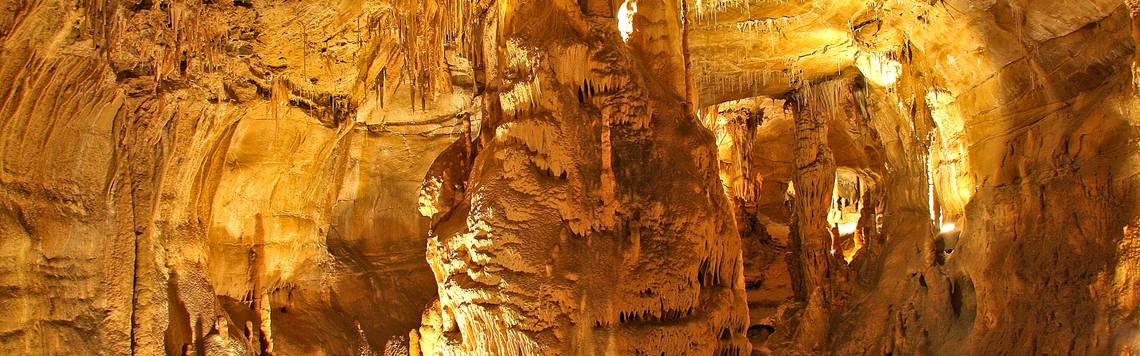
Located in the Ardèche, on the banks of the Rhône and nestled against the Guercy limestone massif, the archaeological site of Soyonsis one of the most significant testaments to human history in the Rhône Valley. Thanks to its prehistoric caves, its Gallic oppidum and the numerous discoveries made since the 19th century, the site traces over 100,000 years of human occupation, from prehistory to the present day.
The first inhabitants : Neanderthals in Soyons (100,000 years ago)
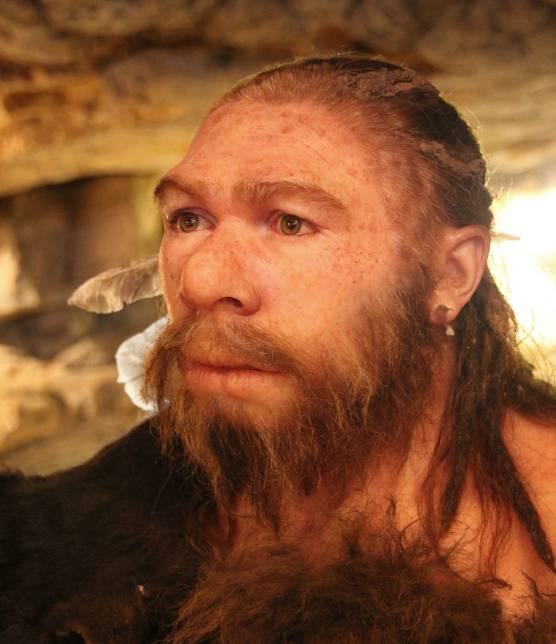
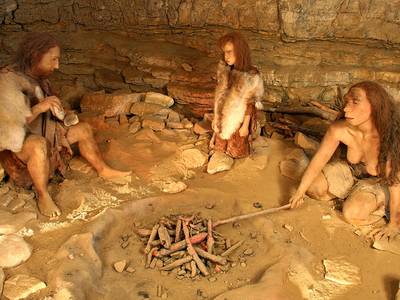
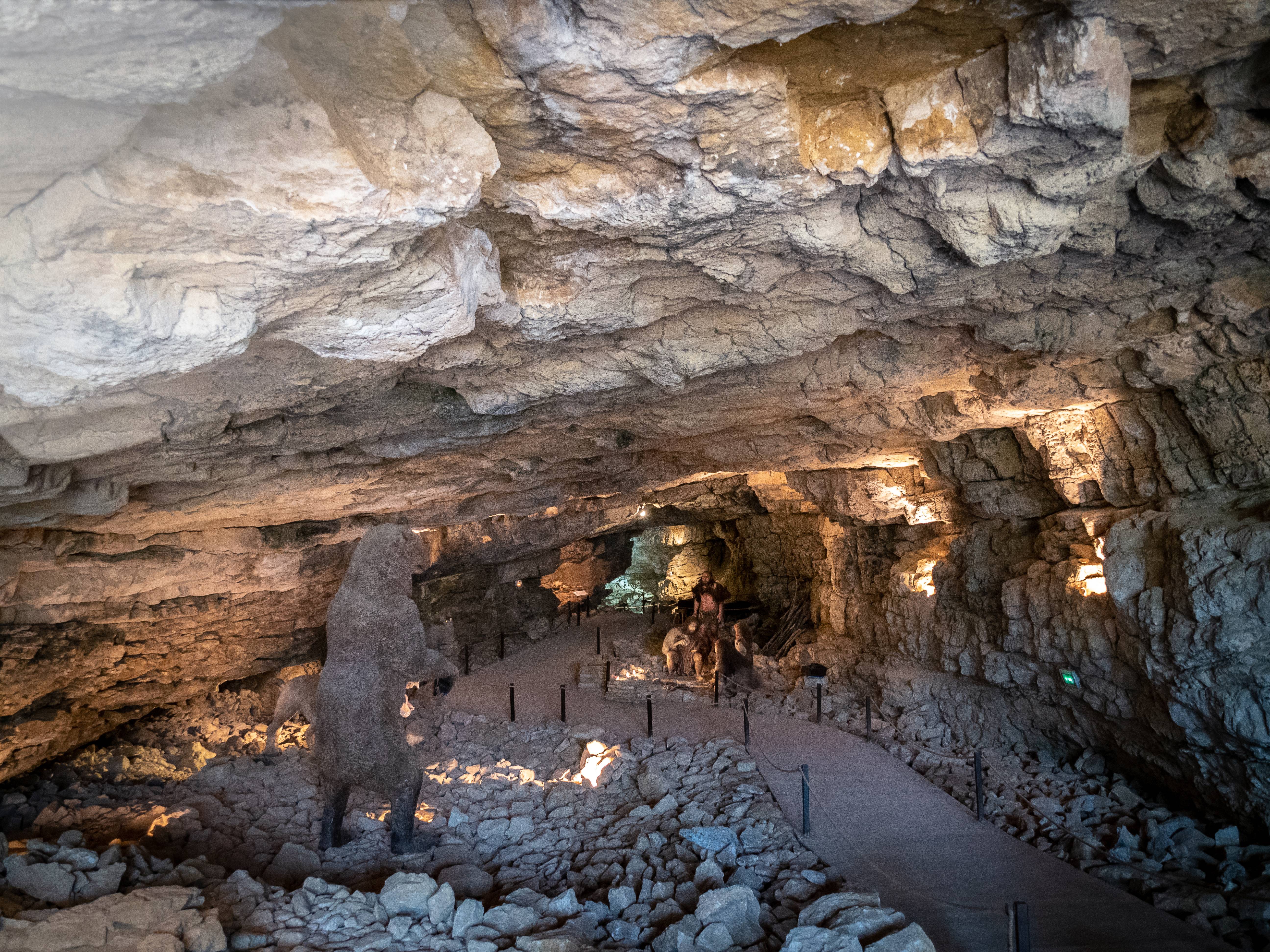
The history of Soyons dates back to the Middle Palaeolithic period. From around 100,000 years ago, the caves of the Guercy massif were inhabited by Neanderthals. Among them, the famous Grotte de Néron provides exceptional evidence of this ancient human presence.
Archaeological excavations have uncovered flint tools, traces of hearths and fossilised remains attributed to Neanderthals. These discoveries show that human groups used the caves as temporary dwellings, sometimes sharing them with large predators such as cave bears, cave lions and hyenas.
Mammoth hunters (25,000–18,000 BC)
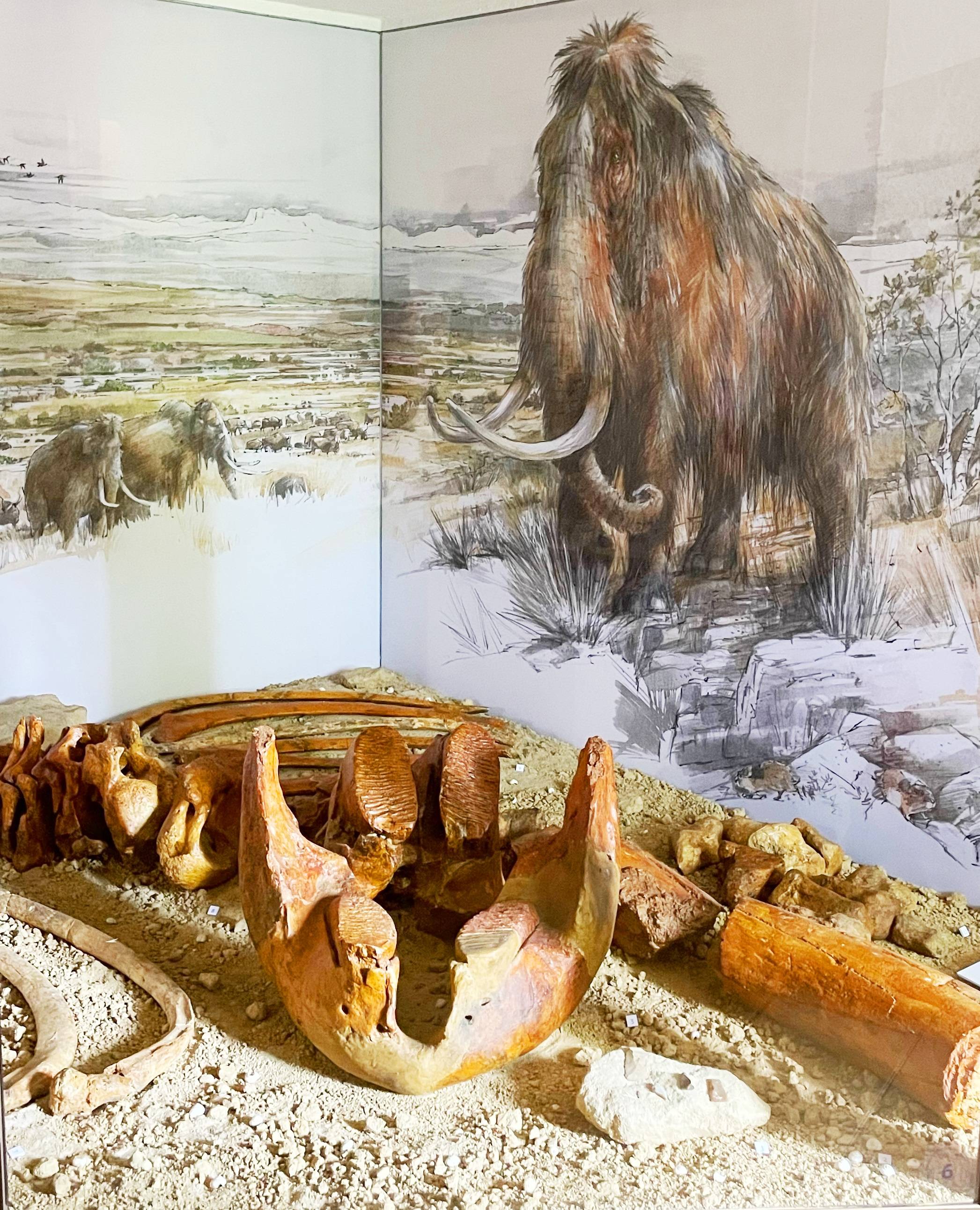
During the late prehistoric period, the territory of Soyons was frequented by groups of hunter-gatherers. In the Lèches district, archaeologists have identified a butchery area of mammoths dating from about -25,000 to -18,000 years before our era.
These discoveries show that prehistoric man exploited the resources offered by the Rhône valley. The caves of Soyons have also yielded numerous remains of bears, hyenas and cave lions, testifying to the richness of the local prehistoric fauna.
Early farming communities (-3,600)
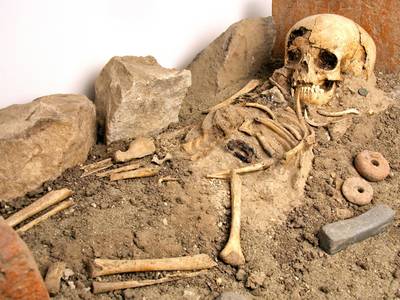
At the end of the Neolithic, around 3,600 BC, the populations settled in Soyons gradually adopted agriculture and livestock. Around -3,600 years, the natural cavities of the massif then take on a new function: they become sepulchral caves.
Archaeologists have found traces of collective burials, revealing the importance given to funeral rites by these first sedentary communities. These discoveries provide a better understanding of the beliefs and practices of the region’s inhabitants at this pivotal time in human history.
Subsequently, funeral practices evolve and the deceased are gradually buried in the heart of the village, reflecting social transformations and the organization of local communities over the centuries.
Soyas, capital of the Segovellani (450–121 BC)
In the Iron Age, Soyons experienced a period of remarkable prosperity. The plateau of Malpas then hosts a vast Gallic oppidum, a true fortified city overlooking the Rhone valley.
The site became the political, economic and religious center of the Ségovellaunes people, who controlled a significant part of the middle Rhône valley. Thanks to its strategic position, Soyons plays a major role in trade between the north and south of Gaul.
The excavations revealed the existence of important fortifications as well as many vestiges testifying to the activity of this Gallic city. They also highlighted the worship of the goddess Soio, a local deity whose name is thought to be the origin of that of the village.
From Antiquity to the Middle Ages
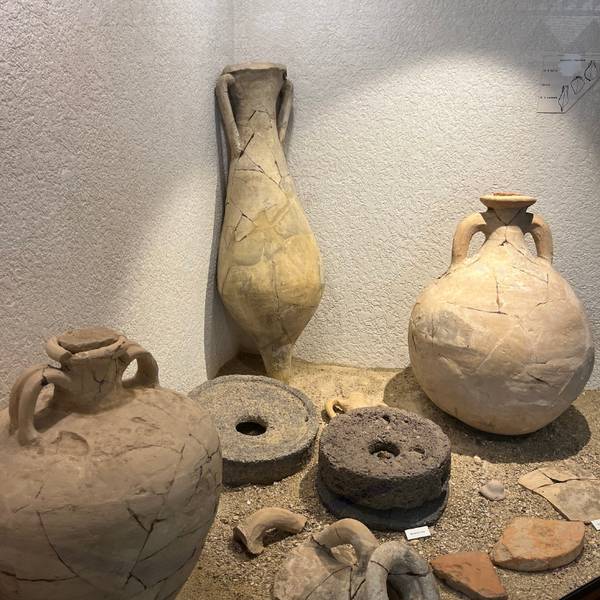
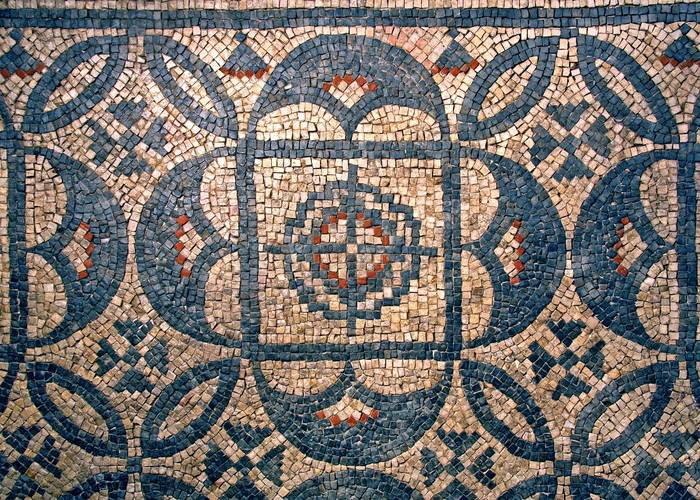
Following the Roman conquest, the settlement gradually shifted from the Malpas plateau to the site of the present-day village of Soyons. The Roman presence left behind numerous remains, including everyday objects, pottery and architectural features, which are now preserved in the archaeological museum.
During the Middle Ages, Soyons retained its strategic position thanks to its castle and fortifications, which overlooked the Rhône valley.
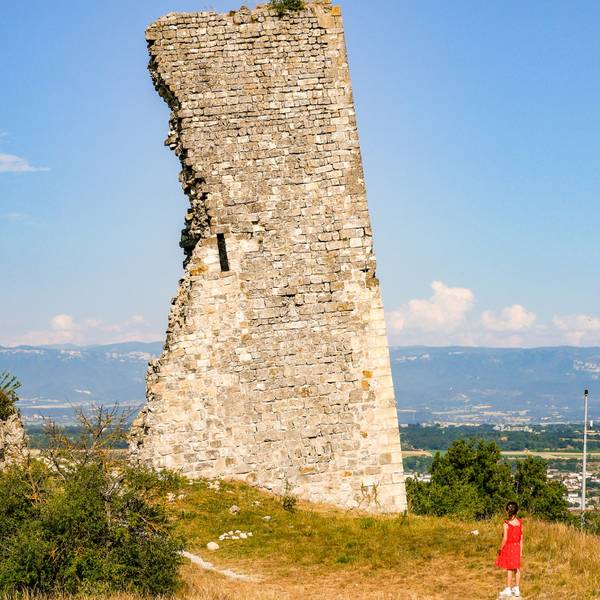
The destruction of the fortress by Louis XIII: 1629
In 1629, during the Huguenot rebellions, the troops of King Louis XIII seized Soyons. The medieval fortress held by the Protestants was then besieged and destroyed.
This event marks a turning point in the history of the village. Deprived of its defensive role, Soyons gradually loses its military importance. Today, only the so-called "leaning" tower still recalls the existence of ancient medieval fortifications.
The discovery of the goddess Soio : 1848
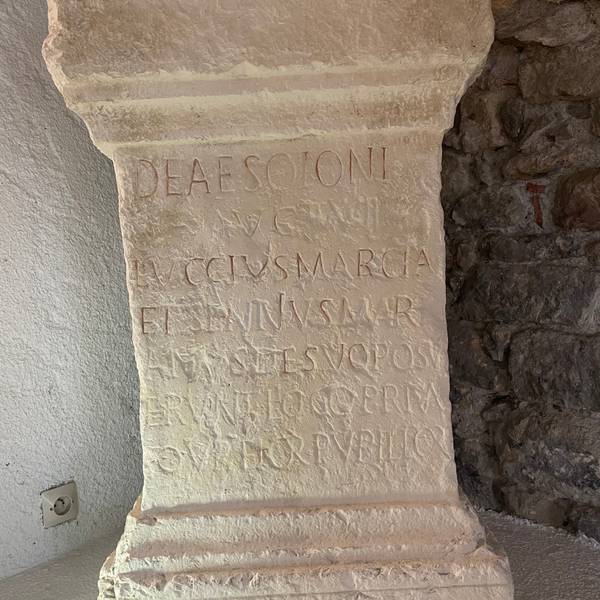
The 19th century marks the beginning of modern archaeological research in Soyons. In 1848, the discovery of an altar dedicated to the Gallic goddess Soïo aroused great interest among scholars.
This discovery confirms the religious importance of the ancient Gallic oppidum and opens the way to new archaeological investigations on the territory.
A few years later, in 1869, the cave of Nero was discovered. Successive excavations have brought to light exceptional prehistoric remains and contributed to the scientific reputation of the site.
A living heritage today
Today, the archaeological site of Soyons continues to transmit more than 100,000 years of history to visitors. The caves of Néron and the Trou du Renard allow you to discover both the world of Neanderthal and the magnificent underground formations shaped by water over thousands of years.
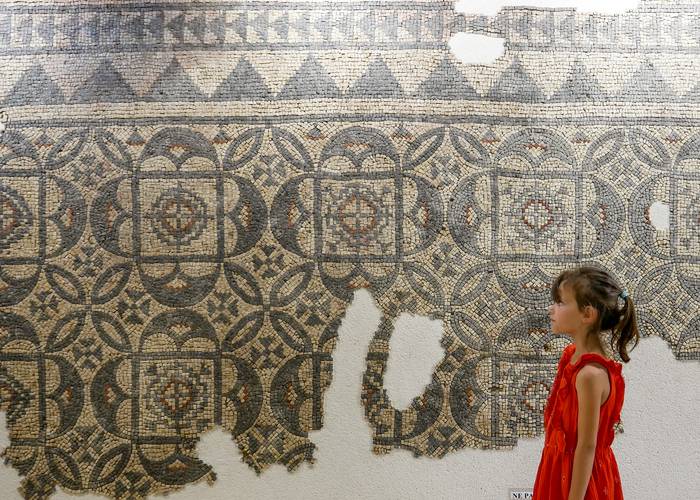
The archaeological museum presents collections retracing the evolution of local populations from prehistory to the Middle Ages.
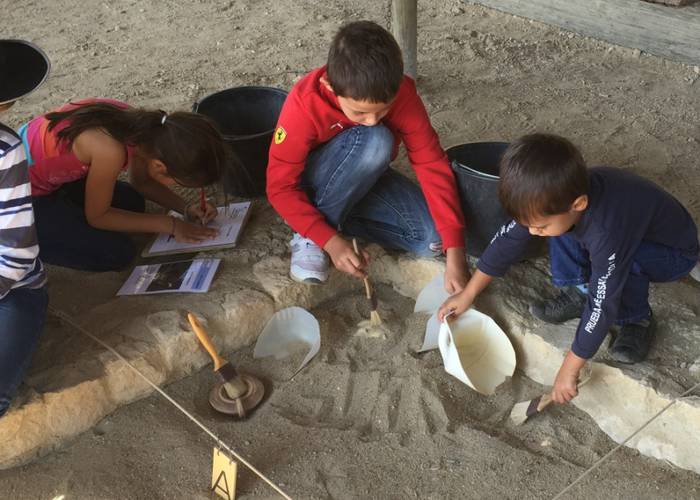
Educational workshops (introductory workshops on archaeological excavation, prehistoric pottery workshop, hunting...) allow visitors to immerse themselves in this long human adventure.
The trail "On the shoulders of the goddess Soïo" is a 2h30 walk to discover in 7 stages, the geological richness, the diversity of fauna and flora of the Soyons mountains
What if you visited the Soyons Archaeological Site ?
Opening hours:
From April 1 to June 30 and from September 1 to October 31 : From Wednesday to Sunday: 2 p.m. to 6 p.m.
From 1 July to 31 August : every day from 10:30 a.m. to 6:30 p.m.
Guided tours all year for groups by appointment (group from 15 people).
The guided tour of the caves lasts about 1 hour. The guided tours of the caves start every 30 minutes. Departure of the last guided tour : 1 hour before closing.
Warning : plan a 15-minute walk to access the caves
80m of altitude difference from the parking lot with 310 steps on a hiking trail : walking boots and vests recommended (15°c all year round in one of the two caves).
To prepare your visit or obtain more information, you can contact the Maison des Vins et du Tourisme at 04 75 40 46 75 or consult the official website of the caves and the museum of Soyons.
Cover photo : ©Michel Rissoan